
How Does the Best Neurologist in Long Island Treat Epilepsy?
What Causes Epilepsy?

- Head trauma – such as injuries from accidents or other traumatic events.
- Genetics – a family history of epilepsy may increase susceptibility.
- Prenatal injury – issues during pregnancy or birth that result in brain injury.
- Developmental disorders – including conditions like autism or neurofibromatosis.
- Infectious diseases – such as meningitis or AIDS, which can affect brain function.
Common Symptoms of Epilepsy
- Temporary confusion
- Staring spells or moments of unresponsiveness
- Loss of consciousness
- Psychic symptoms such as déjà vu, fear, or anxiety
- Uncontrollable jerking movements of the arms or legs
Treatment and Diagnostic Testing
- Fatigue
- Dizziness
- Weight gain
- Speech difficulties
- Loss of coordination

- Neurological examinations
- EEG (Electroencephalogram)
- CT Scan
- MRI
- fMRI
- PET Scan
- SPECT Scan
- Neuropsychological tests
- Blood tests
Visit the Best Neurologist in Long Island Today
What Are The Warning Signs of Sleep Apnea?
Three Village Neuro specializes in treating your specific sleep disorder and your disorder within the context of your lifestyle and personal needs. We assess your situation, make accurate diagnoses, and then develop a plan for your optimal emotional wellness. If you’re looking for a trusted and reputable source for the treatment of the best neurologist in Long Island? Visit our website here for more information on Sleep Apnea, other sleep disorders, and how we can help.
Here Are The Warning Signs of Sleep Apnea?
Sleep apnea symptoms can differ from person to person and vary in severity. Not all sleep apnea cases need to be treated, but it can affect your daily life, activities, and energy if symptoms and warning signs escalate. Fatigue or sleepiness throughout the day can interfere with your job, relationships, and mental health. A poor sleep cycle can affect mood, weight, and even hormone levels. At Three Village Neuro, we treat sleep apnea commack ny with an approach that considers all these factors. The first step for an accurate diagnosis is listening to the warning signs. Visit Three Village Neuro the best neurologist in Long Island today!
Three Main Types of Sleep Apnea:
- Obstructive Sleep Apnea (Most Common)

- Central Sleep Apnea
- Complex Sleep Apnea Syndrome
Potential Warning Signs of Sleep Apnea:
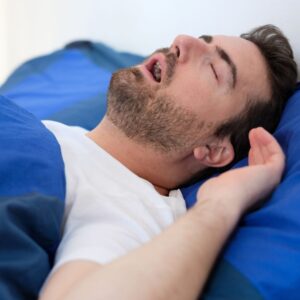
- Loud Snoring
- Waking up with Dry or Sore throat
- Dry mouth (caused by mouth breathing)
- Restless Sleep/ Repeated Awakenings
- Sleepiness throughout the day
- Morning Headaches
When To Visit The Best Neurologist in Long Island Doctor:
Loud snoring is the most common symptom of Sleep Apnea. However, this isn’t the only indicator that you may have a sleep disorder. Call us today to schedule an appointment and discuss any symptoms related to sleep issues that leave you exhausted or unrested. For more information regarding Sleep Apnea signs, symptoms, and other sleep disorders, click here.
Three Village Neuro: Best Neurologist in Long Island
Sleep apnea can have debilitating effects on a person’s quality of life. Healthy sleep is essential for all aspects of optimal health. At Three Village Neuro, we understand the importance of a good night’s sleep to the proper functionality of all aspects of a patient’s life. By making an appointment with us, you are taking the appropriate steps to avoid further complications and the development of other issues.
Visit The Best Neurologist in Long Island!
How To Tell If You Have Sleep Apnea

Are you getting a good night’s sleep? If you have a sleeping disorder, chances are you are not getting a good night’s sleep. Fortunately, there are many different ways that you can treat this. This is a serious condition that affects many people in the world. We want you to get a better night’s sleep and live an overall healthier and better lifestyle. Don’t wait until it’s too late, visit us to schedule an appointment with our team at Three Village Neurology the best neurologist in Long Island today!
What is Sleep Apnea?
Sleep Apnea is a serious sleep disorder. It is when a person’s breathing is disrupted while sleeping. If the individual’s breathing is repeatedly stopping and starting, and sleeping is being disrupted, you are spending more time in light sleep patterns than deep sleep. This causes sleepiness throughout the day. The primary type of sleep apnea are:
- Obstructive Sleep Apnea – This is one of the most common forms where the throat muscles relax.
- Central Sleep Apnea – when the brain does not send proper signals to the muscles in control of your breathing.
- Complex Sleep Apnea – occurs when an individual has both obstructive sleep apnea and central sleep apnea.
Symptoms
It can be difficult to identify whether or not you have sleep apnea since the most prominent symptoms occur while sleeping. However, one way of knowing you have sleep apnea is if you snore loudly and still feel tired after you get a full night of sleep. You can also record yourself during the night and ask your partner to observe your sleeping habits. Below are several symptoms of sleep apnea that the best neurologist in Long Island can help with:
- Excessive sleepiness throughout the day
- Morning headaches
- Loss of concentration
- Waking up with a dry mouth
- Loud snoring
- Gasping for air while sleeping
Treatment For Sleep Apnea
If you think you might have sleep apnea, it is important to see a doctor for treatment right away. By getting medical attention, you can prevent problems with the heart as well as other complications. A doctor can help by performing surgery to remove extra tissue in the throat that blocks your airways while sleeping. Another way to help with your sleep apnea is using a CPAP machine or an oral/dental appliance. Additionally, there are other ways to treat sleep apnea that do not require a doctor. For example, losing weight and avoiding sleeping on your back.
Contact The Best Neurologist in Long Island!
Visit the best neurologist in Long Island to schedule an appointment with our team at Three Village Neurology. With simple tests and studies, we can help identify your problems. We want you to get a better night’s sleep and live an overall healthier and better lifestyle.
Medication For Treating Insomnia
Taking medication for insomnia treatment is a popular and effective way to fight sleep deprivation. Insomnia is defined as difficulty sleeping, and it can be either short-term or chronic: between 30 and 40 percent of adults suffer from some form of insomnia each year. Most people with chronic insomnia also have other conditions such as depression, anxiety, or chronic pain. Visit our best neurologist in Long Island at Three Village Neurology today!
Although insomnia is not typically life-threatening, it can lead to other more serious health problems. However, it can be linked to an increased risk of heart disease, stroke, injuries from falls and accidents, immune system suppression, diabetes, obesity, depression, anxiety disorder, irritability, headaches, and digestive problems. The most effective treatment for insomnia is to address the root cause, whether that be anxiety, depression, chronic pain, or other issues. However, medication can also help treat insomnia and improve quality of life. Many different drugs are used to combat sleep deprivation, such as non-benzodiazepines, antidepressants, antihistamines, and melatonin.
Sleep Medicine

- Non-benzodiazepine medications work by binding to the same receptors as benzodiazepines but are not as strong of a depressant to the nervous system. Benzodiazepines are often used for treating anxiety, seizures, muscle spasms, and insomnia. However, they are highly addictive and can become dangerous with prolonged use.
- Antidepressants are also an effective treatment for insomnia, which work by increasing serotonin or norepinephrine levels in the brain at night to help improve sleep quality. Antihistamines are used as over-the-counter remedies for allergies and work by blocking histamines in the body responsible for sleepiness. Melatonin is a hormone produced in the brain’s pineal gland that regulates circadian rhythm and helps maintain sleep-wake cycles.
- Although these medications can be effective. It’s important to remember that they are only meant to be used temporarily while you work on the underlying issues. Using medication for insomnia is not a long-term solution and can lead to problems if people rely on it too heavily.
Three Village Neurology – Best Neurologist in Long Island
Although insomnia is not typically life-threatening, it can lead to other more serious health problems. Many different medications are used to combat sleep deprivation, such as non-benzodiazepines, antidepressants, antihistamines, and melatonin. Taking medication for insomnia treatment is a popular and effective way to fight sleep deprivation. Visit our best neurologist in Long Island at Three Village Neurology today!
What Are Neurological Sleep Disorders?
There are many different types of neurological sleep disorders. The most common are Central sleep apnea, Central nervous system hypersomnia, Circadian rhythm disorders, Fatal familial insomnia, Narcolepsy, Parasomnias, and REM sleep behavior disorder. These are all dangerous sleeping disorders; however, sleep apnea is particularly dangerous because it could have serious medical side effects. Suppose you believe that you may have sleep apnea. Contact Three Village Neurology’s best neurologist in Long Island to schedule an appointment today.
Best Neurologist in Long Island
 Best Neurologist in Long Island
 Sleep apnea is a condition in which your breathing repeatedly pauses while you sleep. When this happens, your body wakes you up so you can start breathing. These sleep interruptions throughout the night prevent you from sleeping well, leaving you feeling extra tired throughout the day. Sleep Apnea symptoms can include:
- Loud snoring
- Waking up with a sore throat.
- Dry mouth caused by mouth breathing.
- Occasionally waking up choking.
- Restless sleep
- Feeling sluggish or tired
- Sleepiness while driving.
- Morning headaches
- Forgetfulness and mood swings
- Dizziness when you wake up
- Nightmares
If you are developing any of these conditions, you should seek help as soon as you can. Contact Three Village Neurology if you are trying to stop your sleep apnea.
Who is Three Village Neurology?
Here at Three Village Neurology, our goal is to provide world-class patient care utilizing our skills, experience, and caring. Our new office reflects our caring philosophy as well. Here at Three Village Neurology, we take the doctor/patient relationship back to earlier times. If you know someone who requires a neurologist on Long Island, get in touch with Three Village Neurology today. Furthermore, contact Three Village Neurology’s best neurologist in Long Island to see how we can help!
Sleep Apnea Treatment
There are several types of treatment methods for sleep apnea, and it often takes a mix of treatments to find out what works. A patient needs to seek a doctor’s expertise so that they can get a proper treatment plan. Some standard treatment methods include the following:
- Continuous positive airway pressure (CPAP)
- Bilevel positive airway pressure (BiPAP)
- Chinstrap
- Positional therapy
- Oral appliances
Medication including Ritalin, Provigil, and Nuvigil
Contact The Best Neurologist in Long Island Today!
Here at Three Village Neurology, we take the doctor/patient relationship back to earlier times. If you or someone you know requires a neurologist on Long Island, get in touch with Three Village Neurology today. If you seek treatment options for sleep apnea, contact Three Village Neurology’s best neurologist in Long Island today!